You are here: Home Faculty Research Robert Matts
Document Actions

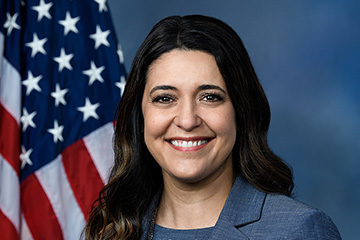
Robert Matts

     Research Area          Selected Publications           Lab Members     
Title Sarkeys Distinguished Professor of Biochemistry
Office 251A NRC
Phone 405-744-6200 
Email robert.matts@okstate.edu
Degree Ph.D. Physiological Chemistry. 1980. University of Wisconsin, Madison, WI.
Website

Research Area (top)

The Hsp90 chaperone machine, protein synthesis and folding, and drug discovery

The Hsp90-family of proteins function as molecular chaperones that are ubiquitously expressed and required for eukaryotic cell viability.  Hsp90 has an obligatory role in facilitating post-translational maturation of numerous proteins that regulate many signal transduction pathways. Forty-eight Hsp90-dependent clients are directly related to oncogenesis and are distributed among all six hallmarks of cancer. Because so many oncogenic proteins are dependent upon the Hsp90 chaperone machinery for conformational maturation/activation, inhibitors of Hsp90 provide a mechanism for the simultaneous derailment of multiple signaling cascades. Consequently, Hsp90 has emerged as an exciting new target for the development of anti-tumor agents. Our studies focus on: 1) determining the mechanism of Hsp90-facilitated folding of client targets; 2) characterizing novel Hsp90 co-chaperones and client proteins; 3) discovering pharmacological inhibitors of Hsp90 function and their mechanism of action; and 4) discovering mechanisms that control protein synthesis involving the phosphorylation of the alpha-subunit of eukaryotic initiation factor 2.

Selected Publications (top)

Hadden, M.K., Hill SA, Davenport J, Matts RL, Blagg BS 2009. Synthesis and evaluation of Hsp90 inhibitors that contain the 1,4-naphthoquinone scaffold. Bioorg. Med. Chem. 17, 634-40.

Hadden, M.K., Galam, L.,  Gestwick, J. E., Matts, R.L., and Blagg, B.S.J. (2007) Derrubone, an Inhibitor of the Hsp90 Protein Folding Machinery Journal of Natural Products 70, 2014-8.

Galam, L., Hadden, M. K., Ma, Z., Ye, Q.-Z., Yun, B.-G., Brian S. J. Blagg, B.S.J., and Matts, R.L. (2007) High-Throughput Assay for the Identification of Hsp90 Inhibitors Based on Hsp90-Dependent Refolding of Firefly Luciferase. Bioorganic and Medicinal Chemistry 15, 1939-46.

Harris, M.B., Bartoli, M., Sood, S.G., Matts, R.L., and Venema, R. C. (2006) Direct interaction of the cell division 37 homolog (Cdc37) inhibits endothelial nitric oxide synthase (eNOS) activity.  Circulation Research 98, 335-41. 

Colón-Ramos, D.A., Shenvi, C. L., Weitzel, D. H., Gan, E. C., Matts, R. L.,  Cate, J. and Kornbluth, S. (2006) Nature Structure and Molecular Biology, Direct ribosomal binding by a cellular inhibitor of translation 13, 103-11.

Prince,T., and Matts, R.L. (2005): Exposure of Protein Kinase Motifs that Trigger Binding of Hsp90 and Cdc37. Biochemical and Biophysical Research Communications 338, 1447-1454.

Prince,T.,  Sun, L., and Matts, R.L. (2005) Cdk2: a genuine protein kinase client of Hsp90 and Cdc37. Biochemistry 44, 15287-95.

Yun, B.-G., Matts, J.A.B., and Matts, R.L. (2005) Interdomain interactions regulate the activation of the heme-regulated eIF2a kinase Biochim. Biophys. Acta 1725, 174-81

Prince, T., Shao, S., Matts, R.L., and Steven D. Hartson, S.D. (2005) Evidence for chaperone heterocomplexes containing both Hsp90 and VCP Biochem. Biophys. Res. Commun. 331, 1331-7.

Yun, B.-G. and Matts R.L. (2005) Differential effects of Hsp90 inhibition on protein kinases regulating signal transduction pathways required for myoblast differentiation.  Exp. Cell Res. 307, 212-223.

Yun, B.-G. and Matts R.L. (2005) Hsp90 Functions to Balance the Phosphorylation State of Akt during C2C12 Myoblast Differentiation. Cellular Signalling 17, 1477-1485

Prince, T. and Matts, R.L. (2004) Definition of Protein Kinase Sequence Motifs That Trigger High Affinity Binding of Hsp90 and Cdc37. J. Biol. Chem. 279, 39975-39981.

Yun,  B.-G., Huang,  W., Leach,  N., Hartson, S.D., and Matts, R.L. (2004) Novobiocin induces a distinct conformation of Hsp90 and alters Hsp90-cochaperone-client interactions. Biochemistry 43, 8217-29.

Shao, J., Irwin, A., Hartson, S.D. and Matts, R.L. (2003) Functional dissection of Cdc37: characterization of domain structure and amino acid residues critical for protein kinase binding. Biochemistry 42, 12577-88.

Scroggins, B.T., Shao, J., Prince, T., Uma, S., Huang, W., Guo, Y., Hedman, H., Matts, R.L. and Hartson S.D. (2003) High Affinity Binding of Hsp90 is Triggered by Multiple Discrete Segments of Its Kinase Clients Biochemistry 42, 12550-61.

Shao, J., Prince, T., Hartson, S.D. and Matts, R.L. (2003)  Phosphorylation of Serine-13 is Required for the Proper Function of the Hsp90 Co-chaperone, Cdc37.  J. Biol. Chem. 278, 38117-20.

Lab Members (top)

Jason Davenport
Jacob Manjarrez
Liang Sun